
Why Steel Falls Short
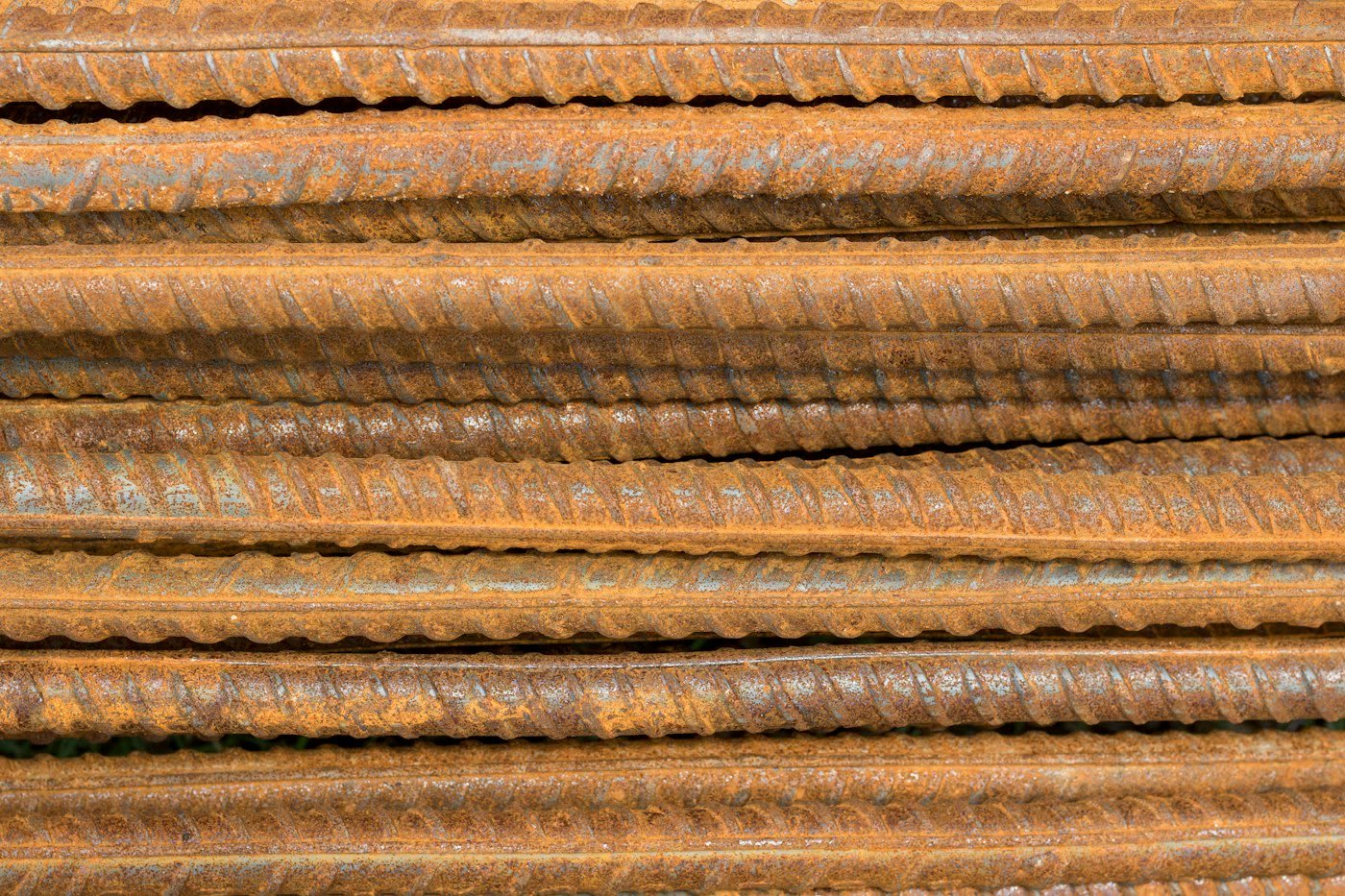
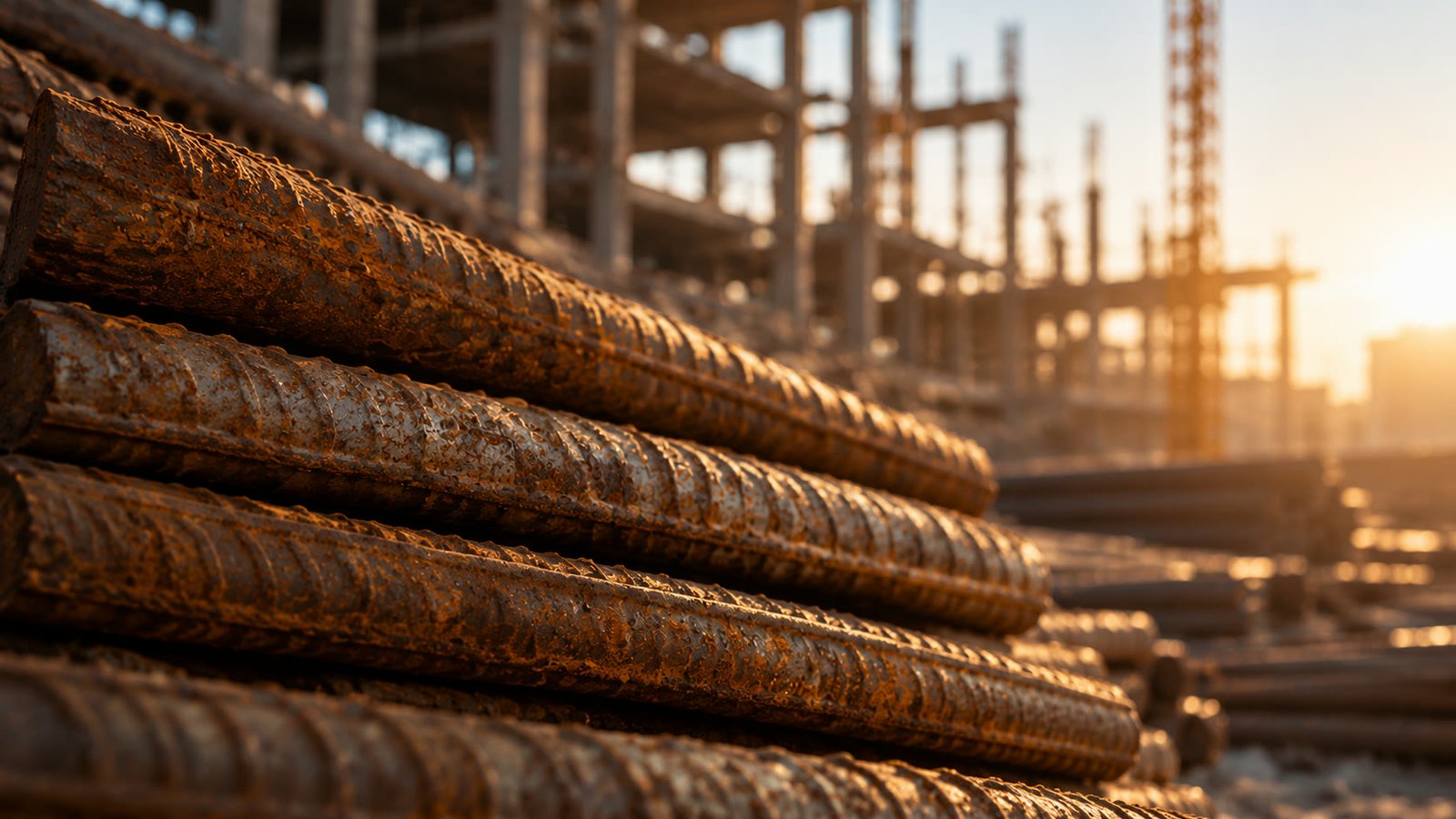
Steel has been the backbone of construction. In moisture, salt and chemical exposure it corrodes, which cuts durability and raises maintenance cost.
GWC REBARS | A GWC GROUP BUSINESS
Redefining reinforcement for modern infrastructure. GFRP rebars that do not corrode.
Typical values. Diameter-wise data on request.
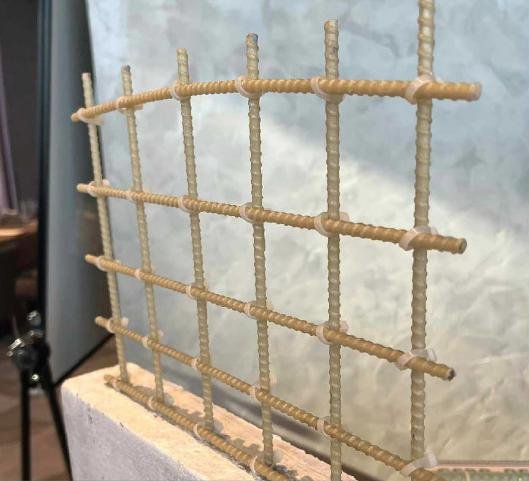
GWC Rebars is a next-generation manufacturer of glass fibre reinforced polymer (GFRP) rebars for the infrastructure of tomorrow. Rooted in North-East India, we combine advanced materials, precision engineering and uncompromising quality to make rebars built for performance and durability.
GWC Rebars offer high tensile strength, a fraction of the weight of steel, and resistance to moisture, salt and chemicals.
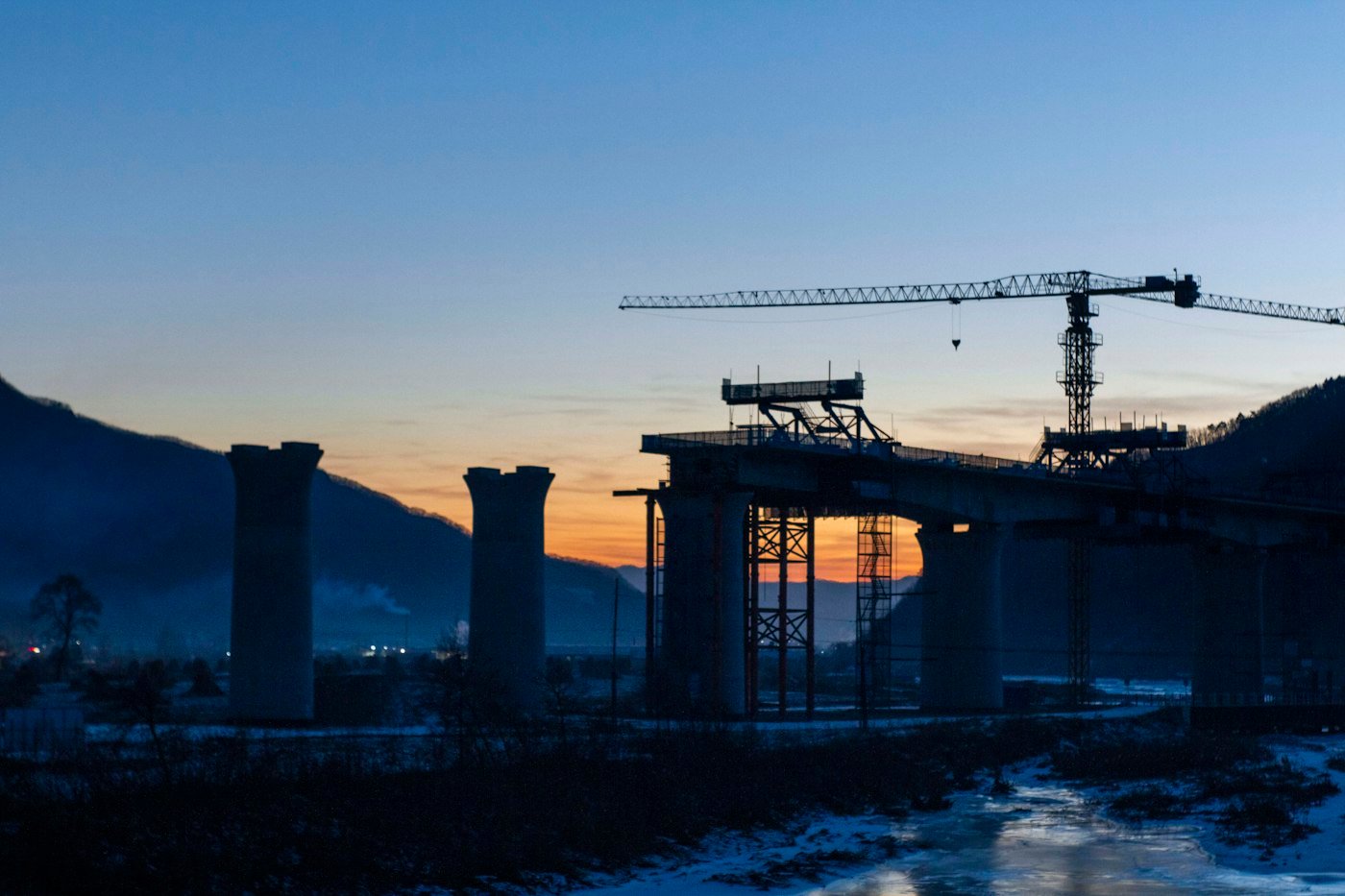
Steel has been the backbone of construction. In moisture, salt and chemical exposure it corrodes, which cuts durability and raises maintenance cost.
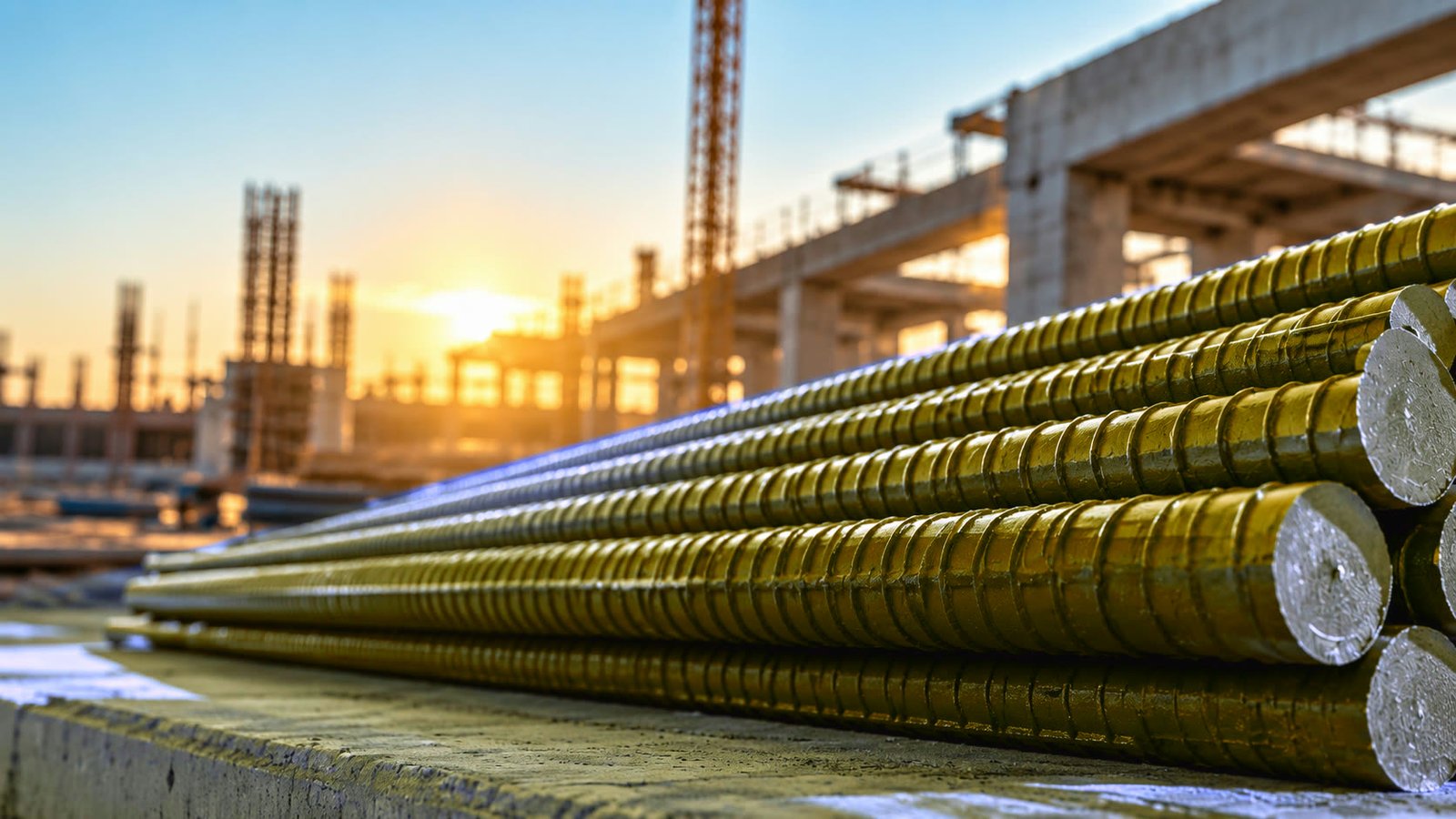
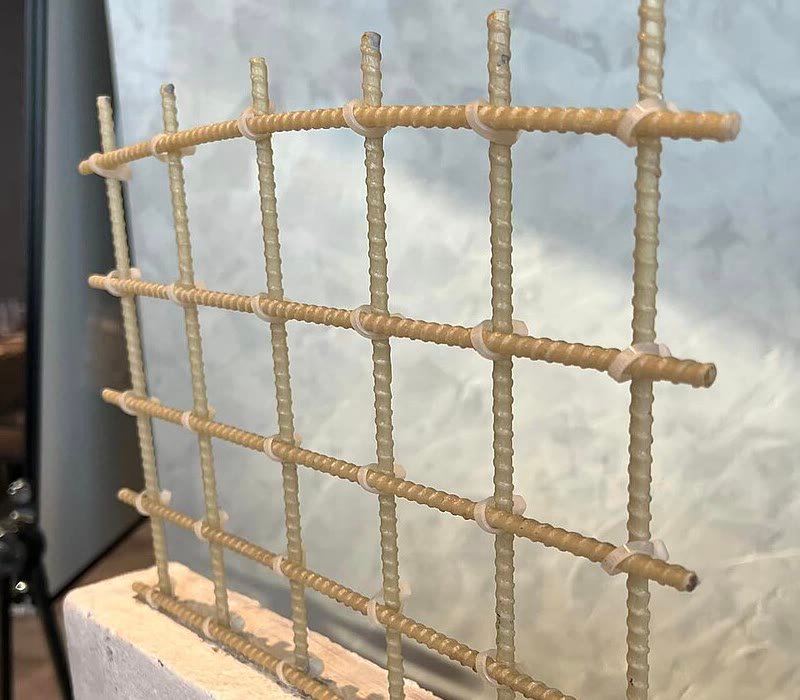
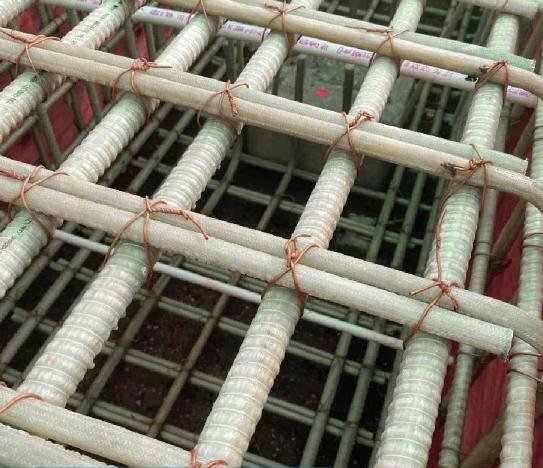
GFRP rebars do not rust. They are lighter to transport and install, and suited to the environments where steel is most at risk.
Resists moisture, salt and harsh chemicals.
600 to 1,200 MPa, against 500 to 550 MPa for conventional rebar.
About 1,900 to 2,100 kg/m3, against about 7,850 for steel.
Simpler transport, cutting and installation on site.
Suits sensitive environments and specialised applications.
Expansion closer to concrete, which lowers the risk of thermal cracking.
Lighter bars mean less labour and handling.
Consistent performance from batch to batch.
600–1200 MPa
(500–550 MPa for conventional rebars)
~1900–2100 kg/m³
(~7850 kg/m³ for conventional rebars)
Coefficient of thermal expansion closer to that of concrete, minimizing the risk of cracking. (Conventional rebars can expand and contract more significantly.)
Lightweight and easy to handle, reducing labour intensity and simplifying installation. (Conventional rebars are heavier and more difficult to handle.)
Note: The values 120–150 MPa (~200 MPa for conventional rebars) appear to be flexural modulus values. If so, they should be presented separately and not under “Ease of Installation.”
High
(Low for conventional rebars)
100% corrosion resistant
(Conventional rebars are prone to corrosion.)
Eliminates the need for protective coatings, reducing costs and complexity.
(Conventional rebars often require additional coatings to resist corrosion.)
Ideal for sensitive environments and specialized applications.
(Conventional rebars are magnetic and electrically conductive.)
Significantly reduces maintenance costs over the life of the structure.
(Conventional rebars require periodic inspections and maintenance to address corrosion.)
Delivers exceptional strength while remaining lightweight.
(Conventional rebars have a lower strength-to-weight ratio.)
Excellent resistance to chemicals, moisture, and aggressive environments.
(Conventional rebars have limited durability and are susceptible to corrosion.)
75+ years
(20–30 years for conventional rebars, depending on exposure conditions)
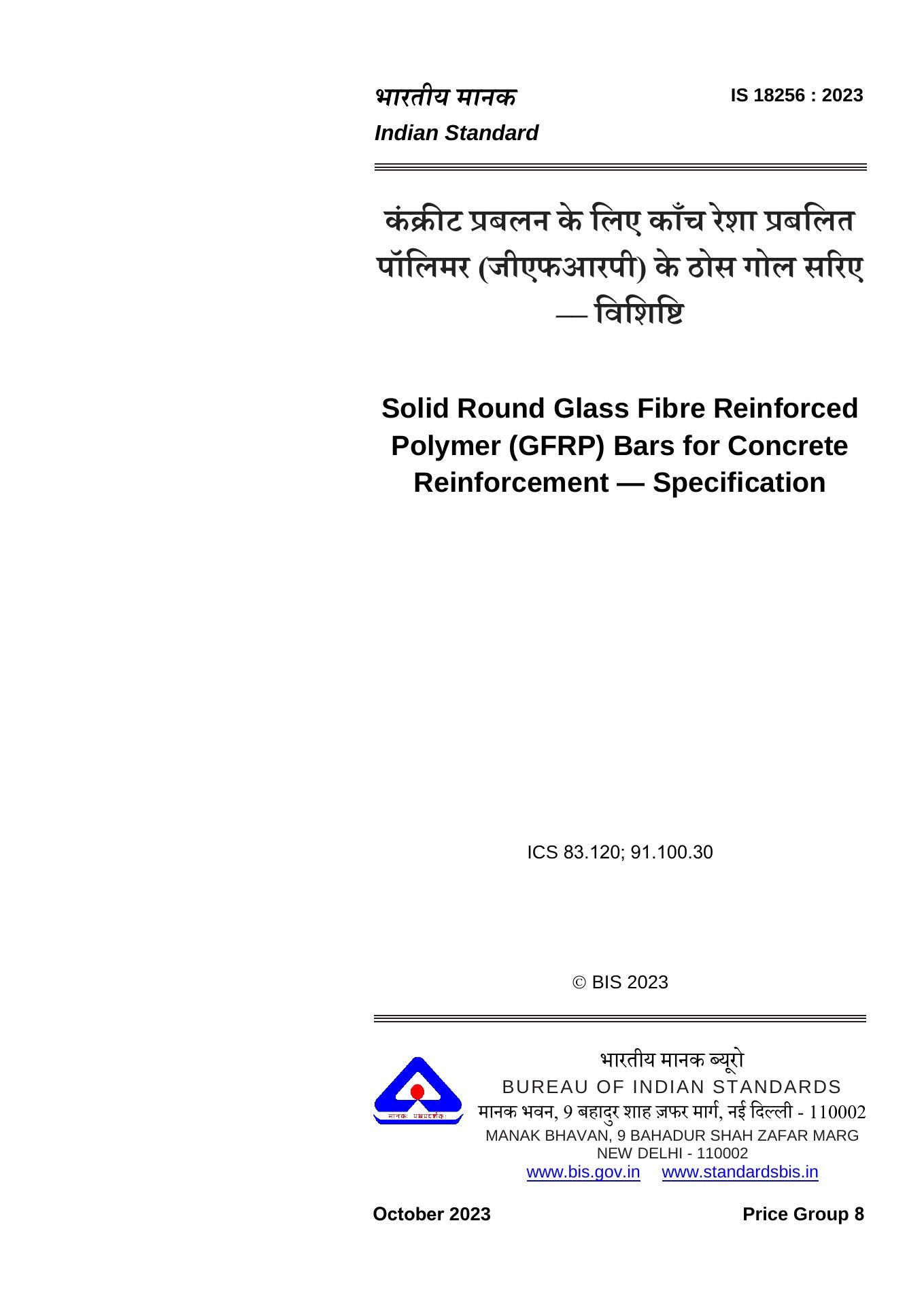
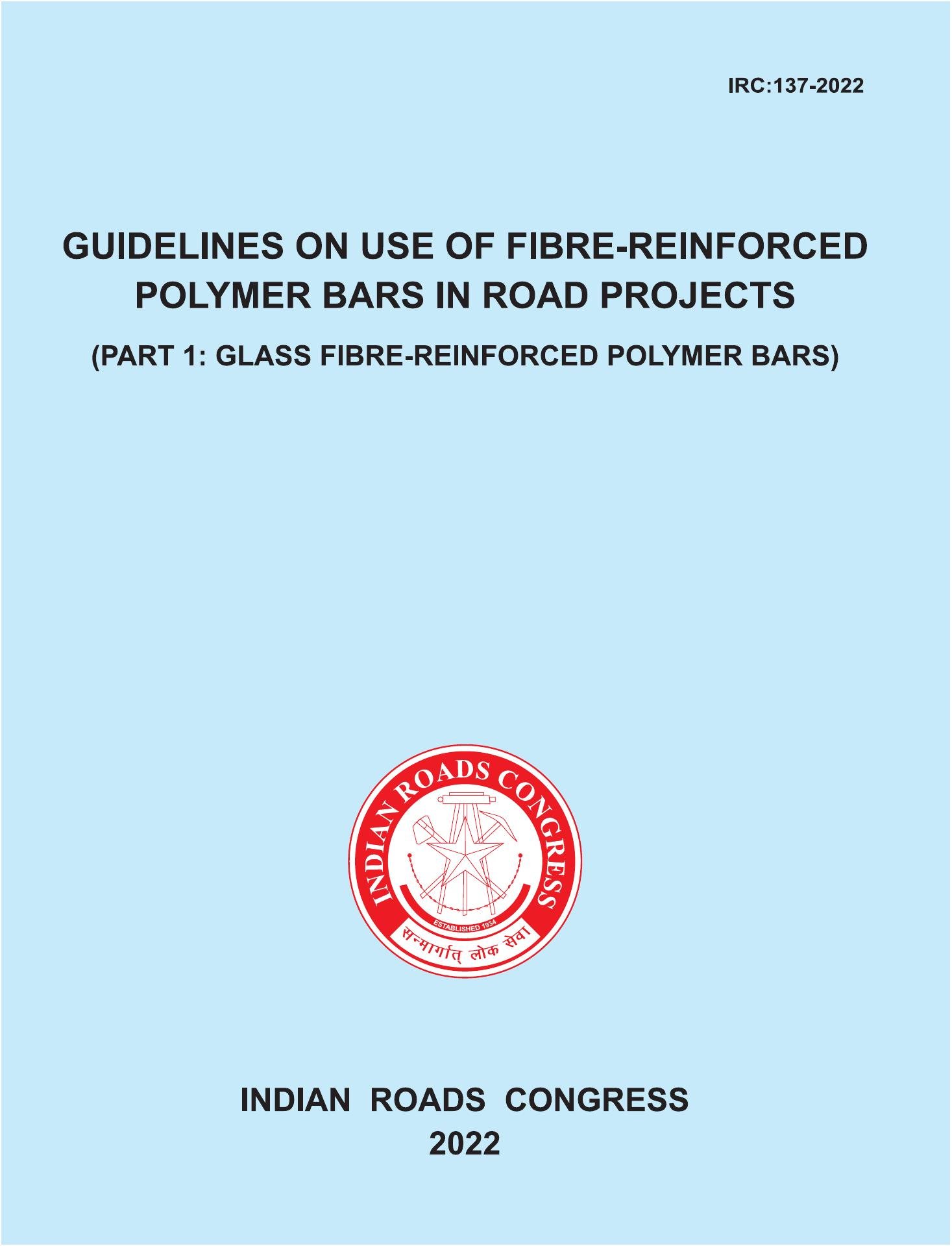
GWC Rebars are made to the requirements of:
Solid round glass fibre reinforced polymer (GFRP) bars for concrete reinforcement. Specification.
Guidelines on use of fibre-reinforced polymer bars in road projects (Part 1: GFRP bars).
Standard specification for solid round glass fiber reinforced polymer bars for concrete reinforcement.
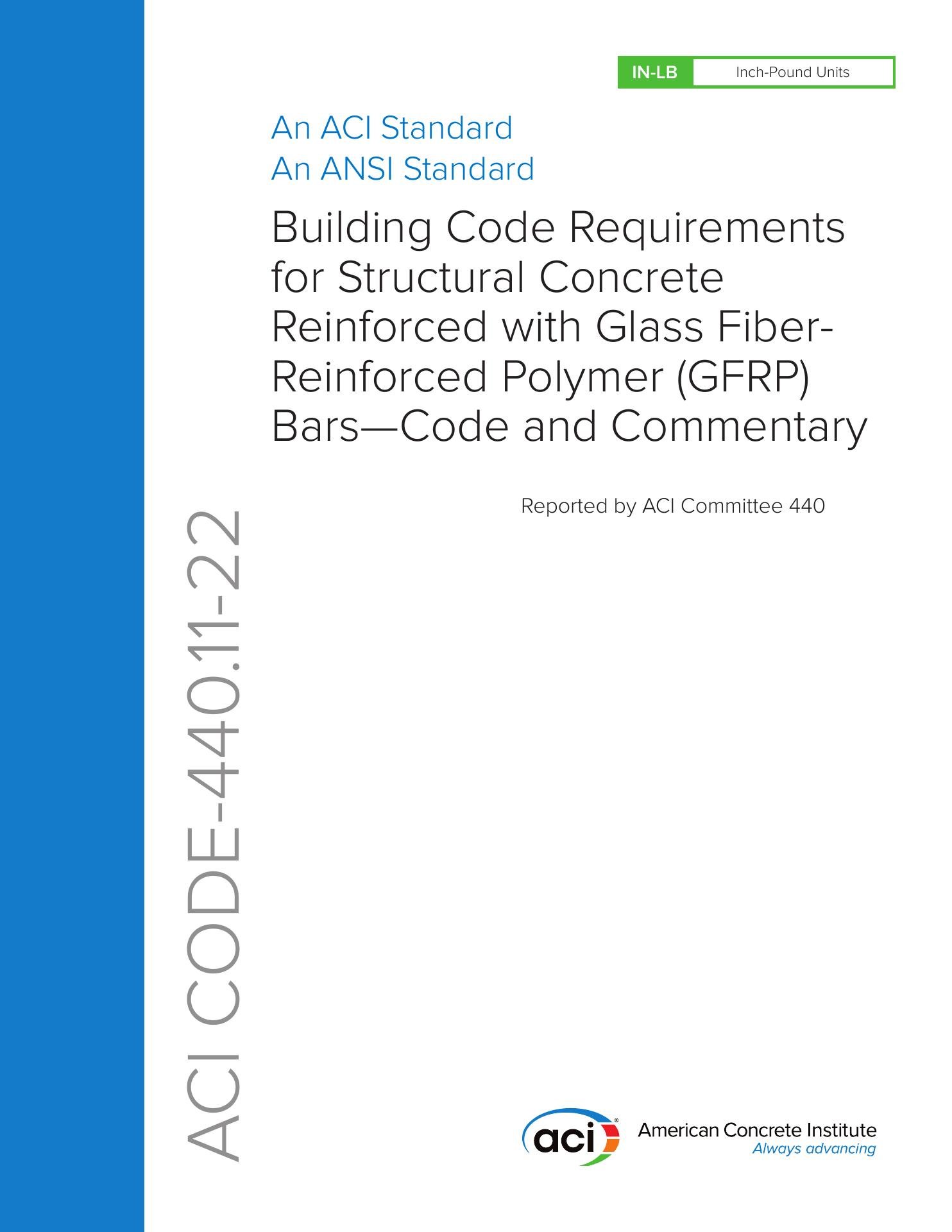
Building code requirements for structural concrete reinforced with glass fiber-reinforced polymer (GFRP) bars.
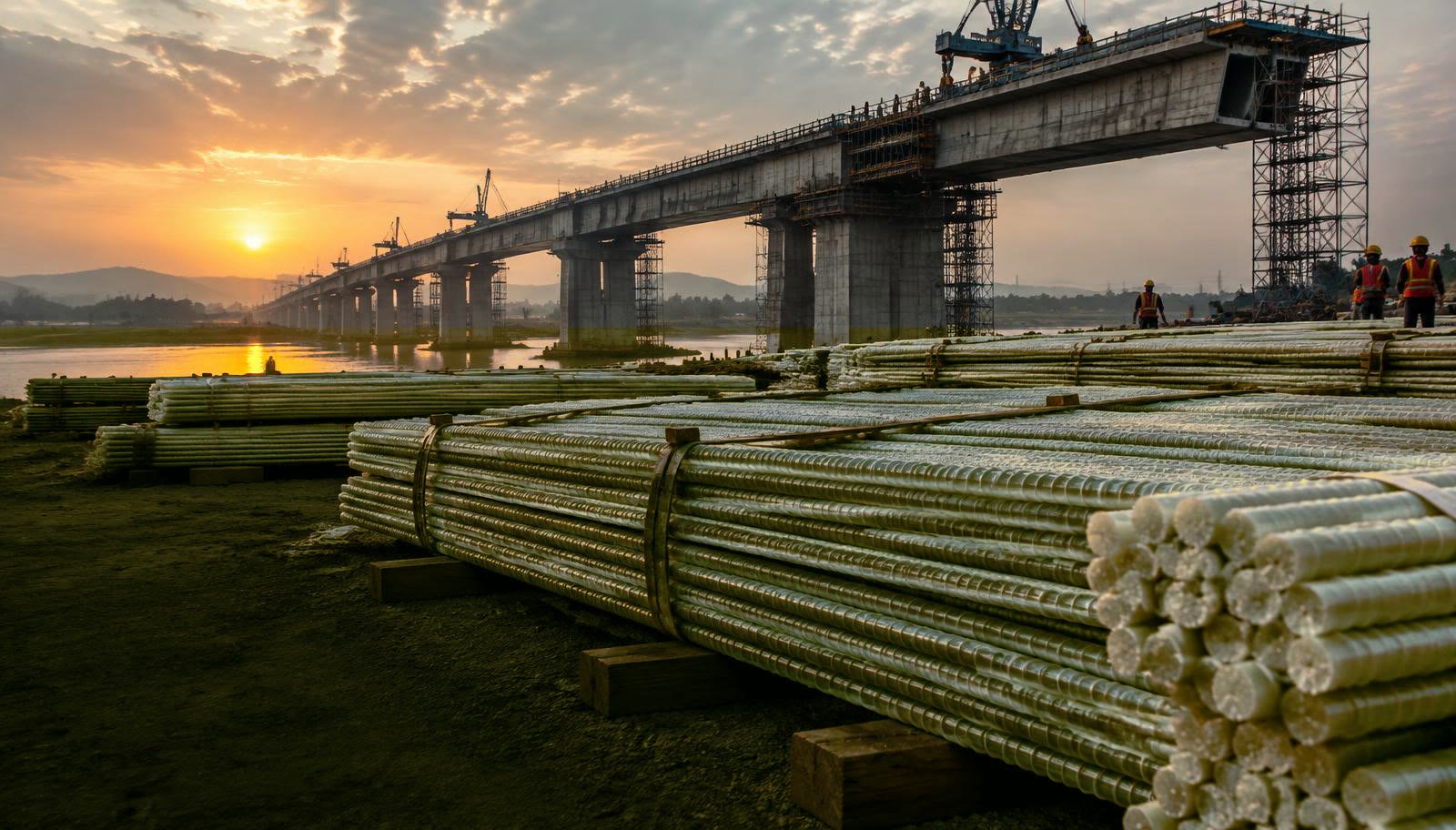
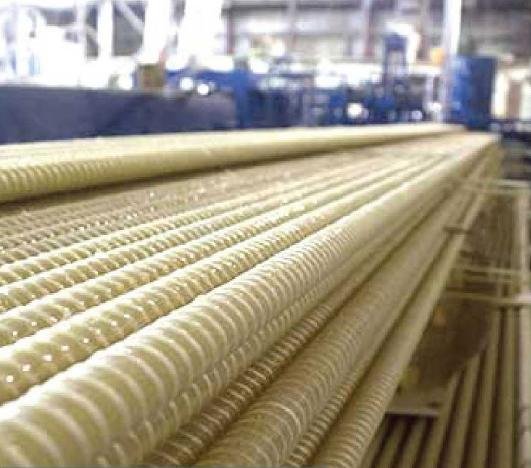
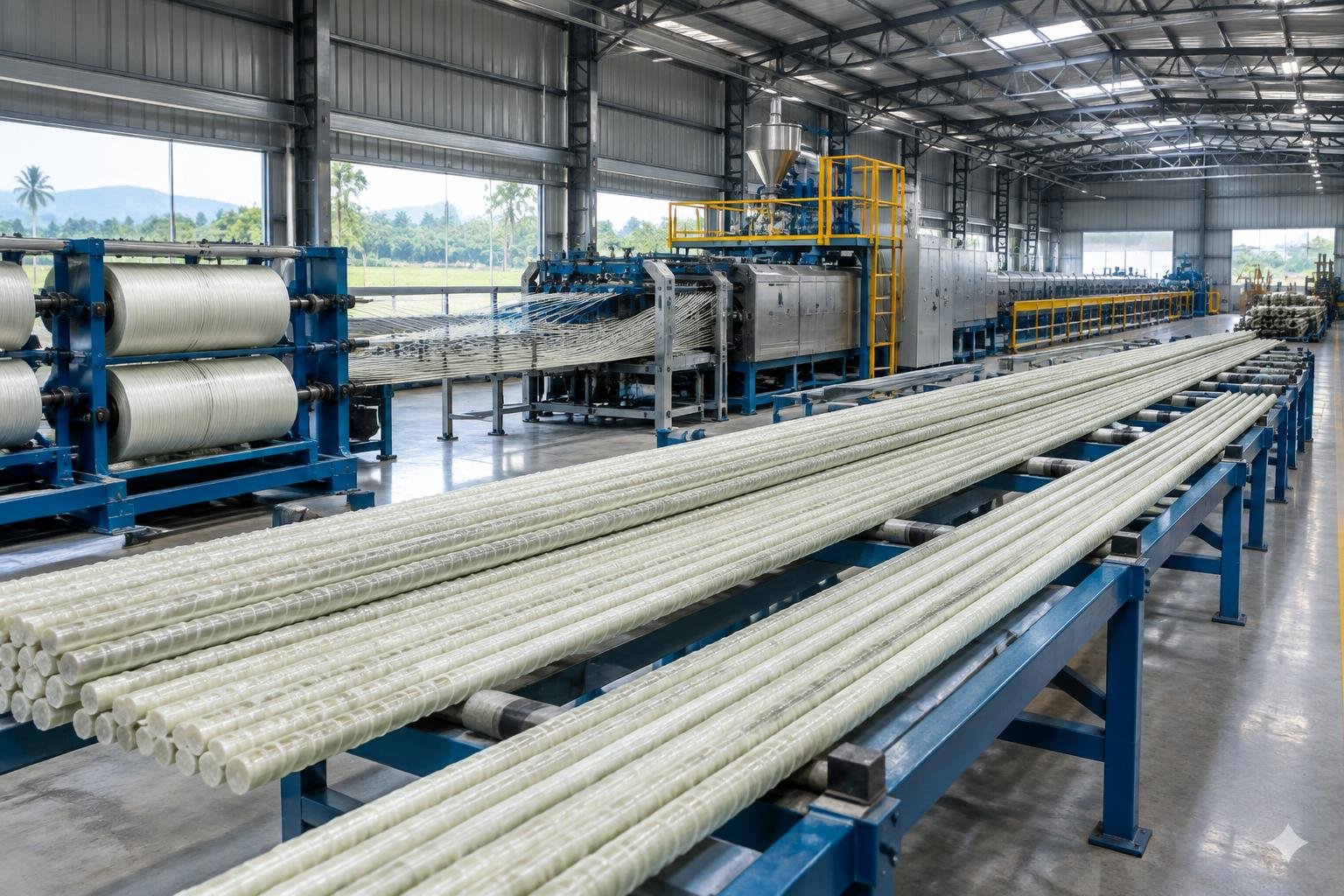
GWC Rebars are carefully packed for safe transport and easy handling.


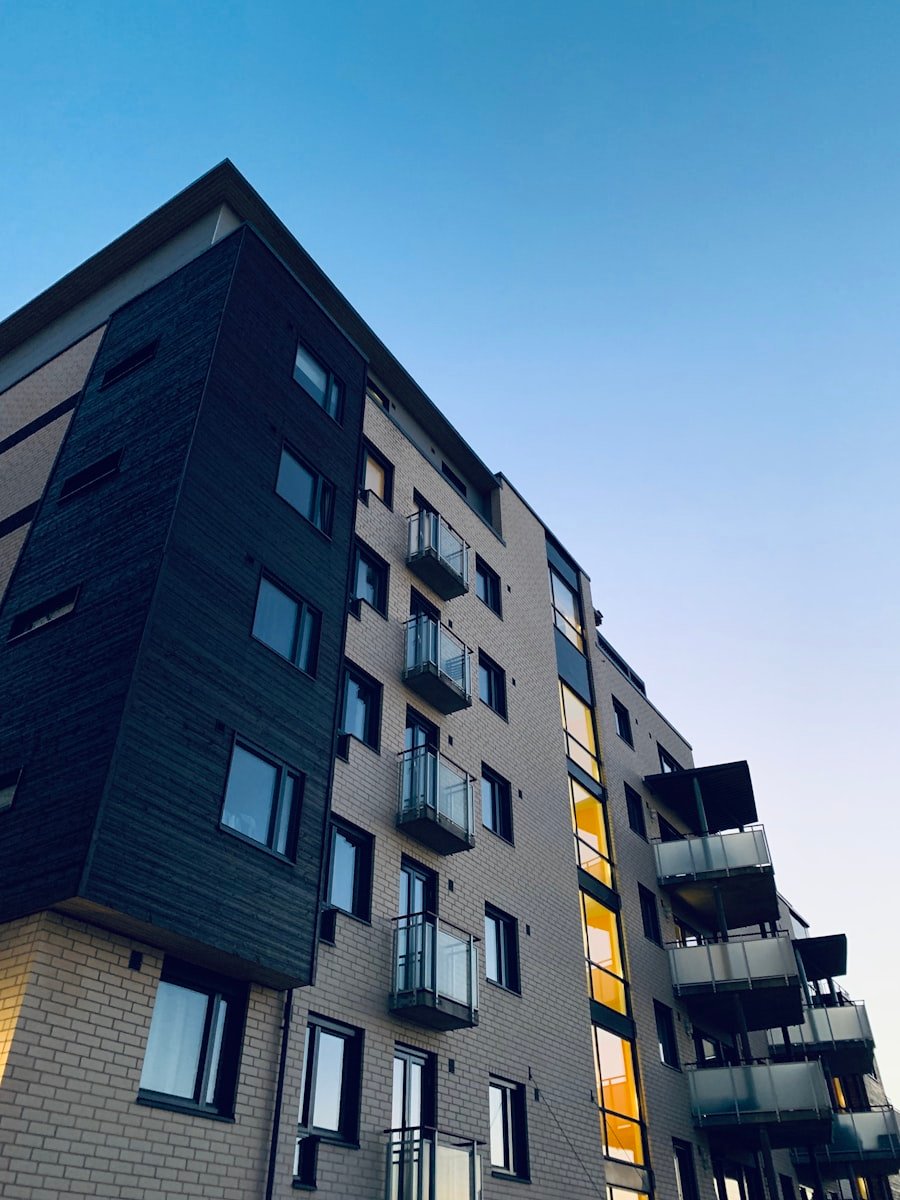

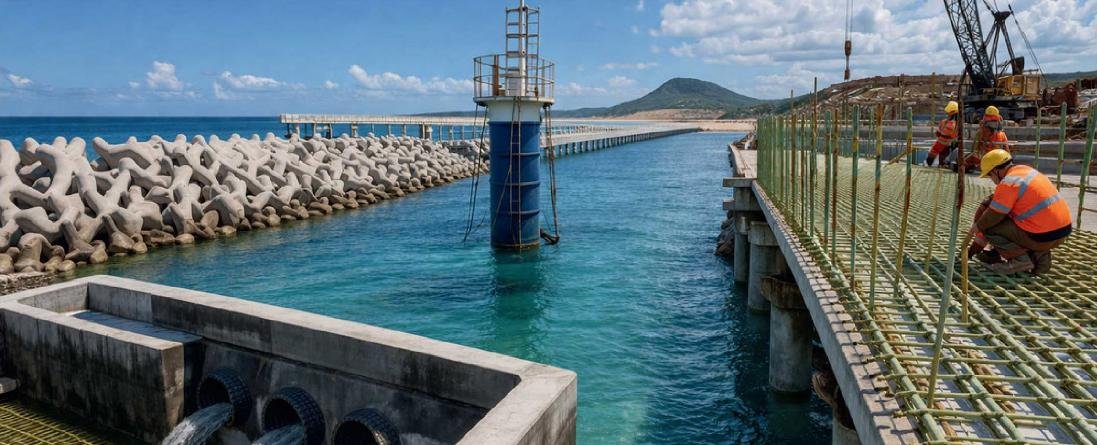
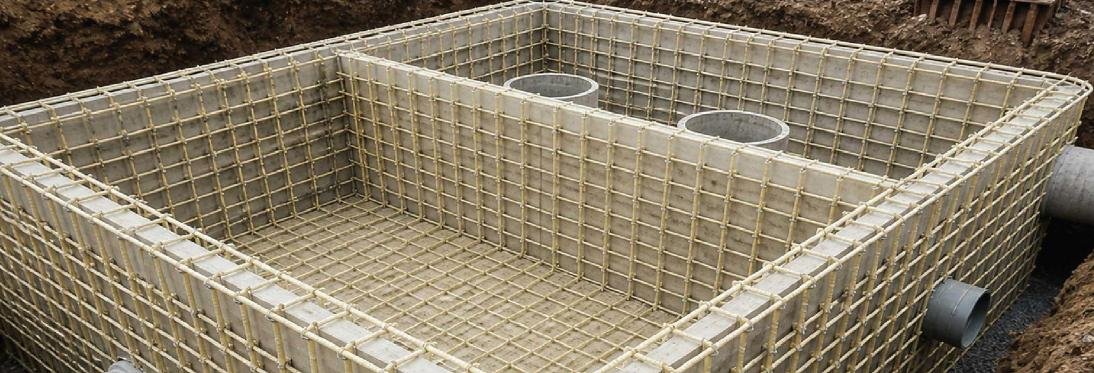
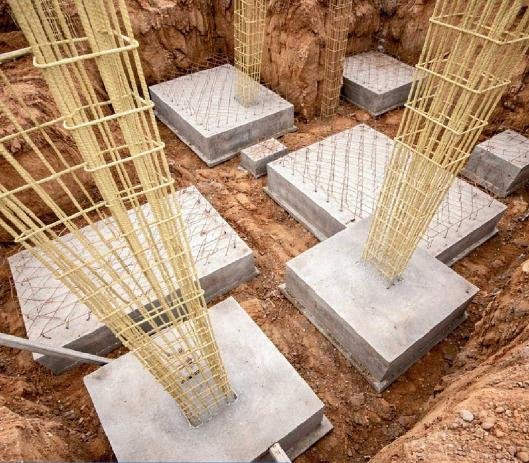
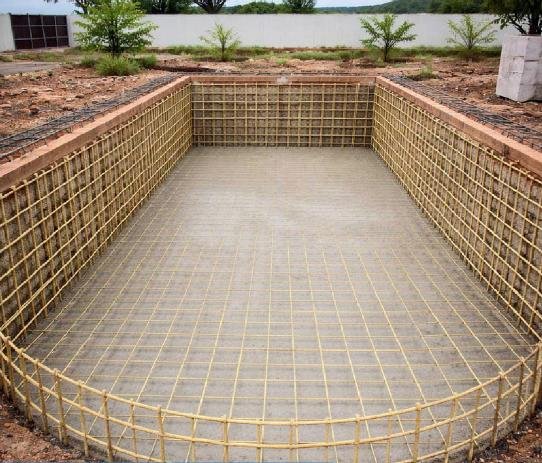
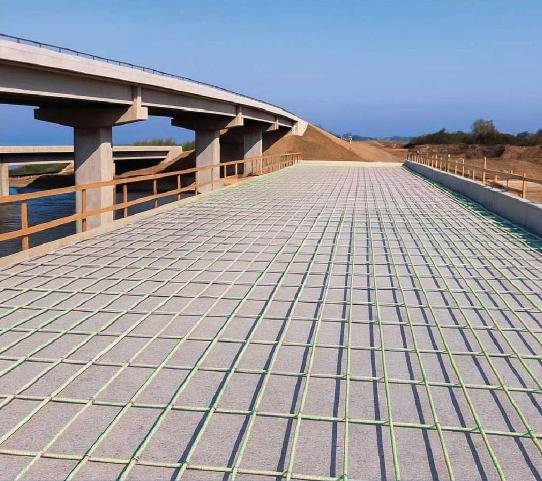
Where durability matters, GWC Rebars deliver dependable performance, project after project.
GWC Rebars are engineered to deliver reliable performance across a wide range of demanding environments, where strength, durability, and consistency are critical to long-term structural integrity.
Where durability matters, GWC Rebars deliver dependable performance you can rely on—project after project
GWC Rebars is part of GWC Group, an infrastructure enterprise led by entrepreneurs whose association with infrastructure development spans generations.
Diameter-wise specifications, test reports and handling guidelines for engineers and procurement teams.

Wear gloves, safety glasses and a dust mask to guard against splinters and dust.

Do not bend on site. GFRP rebars are strong but not ductile like steel.

Use non-metallic tools, such as plastic or rubber mallets.

Store on flat or padded supports to keep the bars straight.

Cut with diamond or carbide blades. Use water suppression or dust extraction.

Handle with care to avoid exposed fibres and sharp edges.

Use proper lifting equipment for heavy bundles.

Secure bars in position during installation to prevent movement.

Install as per the structural design, including anchorage and development length, and have the design reviewed by a qualified professional.
GWC Rebars have limited resistance to elevated temperatures. Provide adequate concrete cover as the design requires, keep bars away from direct flame and excess heat during handling and installation, and follow local fire safety codes.
GWC Rebars
For specifications, quantities or project discussions, share your requirement. We respond with data and pricing.
 WhatsAppEnquire about GWC Rebars